What should I fix before an appraisal?
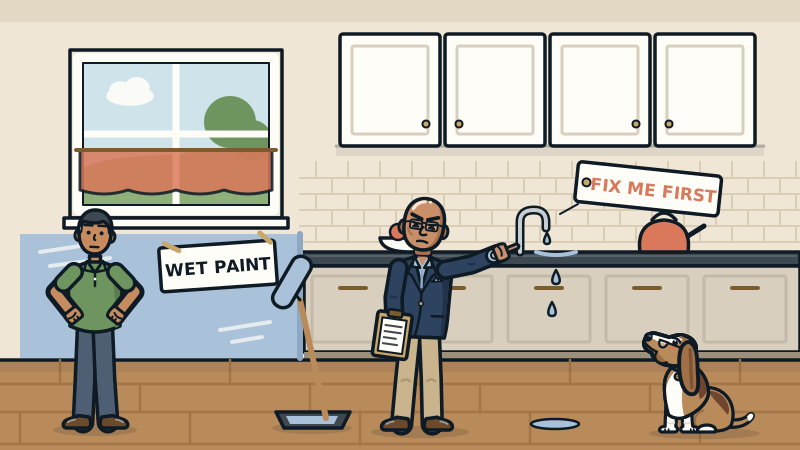
Fix the small things that work badly, like dripping faucets, dead bulbs and loose railings, because they can pull down the condition rating. Fix anything that affects safety, soundness or structure, because it can make the appraisal subject to repairs. Skip rushed cosmetic projects. Paint and landscaping help a home sell but rarely move the appraised value much.
Fix the things that work badly, not the things that look dated
Sellers love to ask me if they should redo the kitchen before the appraisal. Usually the better question is whether the kitchen faucet drips.
Freddie Mac says it plainly in its homeowner guide: leaky faucets, flickering light bulbs and loose stair railings can lower your home's condition rating and its estimated value. None of those cost much to fix. All of them tell the appraiser the house has not been kept up.
Here is why small stuff matters. The condition rating is one call about the whole house. When I see a sticky door, a cracked outlet cover and a toilet that runs all night, I do not see three tiny problems. I see a pattern. A pattern is what separates a well kept rating from a worn one.
Your avocado green bathroom tile from 1979 is a different matter. That is dated, not broken. It will be noted, and it is part of the condition picture, but a weekend of grout scrubbing will not turn it into a remodel. A working faucet in that bathroom is the cheaper win.
The repairs that can hold up a loan
Some problems do more than nudge a rating. They stop the loan until they are fixed.
Fannie Mae's rules say that if the appraiser finds a problem with safety, soundness or structural integrity, the property must be appraised "subject to" completion of the specific repairs. Minor issues that do not affect safety or structure can be appraised as is, but they still have to be reported.
Consumer finance writers at The Motley Fool list the usual suspects that trigger "subject to repairs":
- A leaky roof
- Peeling lead paint
- A major plumbing problem
- Wood rot
- A broken heating or cooling system
When that happens, the value assumes the work is done, and the lender will usually want a reinspection to confirm it before or around closing. That means another appointment, another fee and another few days of everyone refreshing their email.
At the far end, Fannie Mae will not buy a loan on a house rated C6, its lowest condition rating, until repairs bring it to at least C5. If your house has an active roof leak, fix the roof before you fix anything else. A bucket in the hallway is not a design choice.
What usually is not worth doing right before the appraisal
Redfin interviewed an appraiser who summed it up well: permanent, functional improvements carry the most weight. Cosmetic updates like fresh paint or landscaping help a home show and sell, but they rarely move the appraised number much.
That lines up with what I see. A few things sellers rush to do that usually do not pay off at the appraisal:
- A full repaint in a bold new color. Touching up scuffed walls is fine. A weekend of painting the whole house "Greige Number 4" is for buyers, not for me.
- New sod the day before. I will photograph the yard. I will not adjust for how green it is.
- A half finished project. A kitchen with new cabinets and no counters is not updated. It is under construction, and an appraiser has to describe what is there on the day of the visit.
- A last minute remodel to chase a number. You will rarely get every dollar back, and the market decides what the update is worth, not the receipt.
If paint covers a water stain, please do not do that either. Hiding a problem is a bigger problem.
FHA and VA buyers raise the bar
If your buyer is using an FHA or VA loan, condition matters more. Both programs have minimum property requirements on top of the value opinion.
Redfin's summary of the process notes that FHA appraisals look at condition, health, safety and structural soundness, with common concerns like deteriorating paint, roof or foundation problems and water damage. VA purchases have minimum property requirements meant to make sure the home is safe, sanitary and structurally sound, which can include adequate heat, working utilities and a sound roof and foundation.
Peeling paint on an older house is the classic example. On a conventional loan it might be a condition note. On an FHA or VA loan it can become a repair the deal has to clear before closing. The details and how they are applied depend on the program and the lender, so ask the buyer's agent early what loan type is coming.
If you know you have an FHA or VA buyer, walk the house with their checklist in mind before the appraiser does. It beats finding out from a repair condition in week three of escrow.
What I see in the field
Buyers react to condition more than to age. A 1960s ranch with a new roof, updated systems and baths that work can beat a 2005 house that has never had a single thing fixed. That is why the condition line on an appraisal can carry real money.
The size of that money is not a rule of thumb. A good appraiser measures it from what similar homes in each condition actually sold for nearby. Your job is to make sure your house lands in the right tier, and that comes down to two things: no obvious deferred maintenance, and no mystery about what has been updated.
The second part is the one sellers skip. If you replaced the roof, the water heater or the furnace, I want to know when. A permit or invoice is better than a story. Facts beat feelings, and a dated list saves me from guessing. Appraisers who have to guess tend to guess conservatively.
Your pre-appraisal fix list
- Walk the house with a notepad and test every faucet, toilet, light, door and window. Fix what drips, runs, flickers or sticks.
- Tighten railings and handrails on stairs, decks and porches.
- Deal with anything safety related first: roof leaks, exposed wiring, missing smoke alarms, broken steps, rot you can poke with a finger.
- Scrape and repaint peeling paint, especially on an older home and especially if your buyer has an FHA or VA loan.
- Make sure the heat, water heater and major systems work, and clear access to them.
- Replace cracked outlet covers, missing cabinet knobs and torn screens. Cheap fixes, real signal.
- Write a one page list of updates with dates and permits: roof, windows, kitchen, baths, HVAC. Hand it to the appraiser.
- Leave the big remodel for another day unless you would do it anyway to sell.
Key takeaways
- Small things that work badly, like drips and loose railings, can lower the condition rating.
- Safety, soundness and structural problems can make the appraisal subject to repairs and delay closing.
- Paint and landscaping help a home sell but rarely move the appraised value much.
- FHA and VA loans add minimum property requirements, so condition matters more on those offers.
- A dated list of updates with permits is the cheapest thing you can give the appraiser.
People also ask
Should I paint my house before the appraisal?
Touching up scuffs and peeling areas is worth it, especially peeling paint on an older home with an FHA or VA buyer. A full repaint mainly helps the sale, not the appraised value.
Who pays for repairs if the appraisal comes back subject to repairs?
There is no single rule. It is usually negotiated between buyer and seller, and some lenders allow an escrow holdback so the work can be finished after closing. Your purchase contract and the lender's requirements control.
Will a new kitchen raise my appraisal?
It can, but the market sets how much, not the cost of the work. An appraiser measures what similar homes with and without updated kitchens actually sold for nearby.
Sources
Got a question we haven't answered?
Suggest a topic or ask your own appraisal question. The best ones become posts.