What is the difference between an as-is value and an as-completed value?
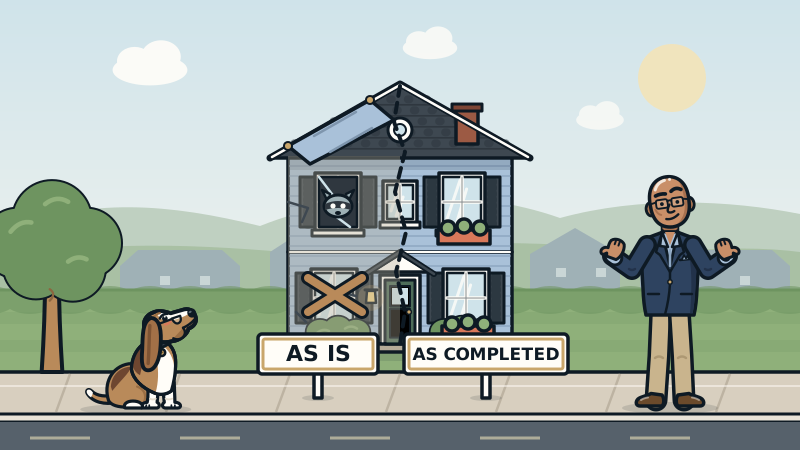
An as-is value is what the property is worth today, in its current condition. An as-completed value is what it is expected to be worth once the planned construction or renovation is finished, based on the plans and specifications. Lenders on construction and rehab loans generally ask for both, because each answers a different risk.
Two values for two different houses
An as-is value describes the house you can walk through today. The sagging gutter, the 1980s kitchen and the raccoon in the attic all count. If the property is half demolished, the as-is value is for a half-demolished property.
An as-completed value describes the house on the plans. It is a prospective value, meaning a value for a future version of the property, built from the scope of work and specifications. Investors usually call this the after repair value, or ARV.
The federal interagency appraisal guidelines that bank regulators use say that for construction, renovation or development loans, an institution would generally ask the appraiser for the current market value as is and, as applicable, the prospective market value upon completion and/or upon stabilization. Stabilization comes up mainly with income property that needs time to lease up. For a single-family flip, as is and as completed are the two that matter.
Why lenders want both numbers
Each value answers a different question for the lender.
- The as-is value tells the lender what the collateral is worth if the project stalls tomorrow. Half-finished houses are a tough sell. Nobody's dream home has exposed studs and a porta-potty in the front yard.
- The as-completed value tells the lender what the collateral should be worth if everything goes to plan, which is what the full loan is often sized against.
The interagency guidelines put it this way: the institution should understand the as-is market value, and should consider the prospective value that matches the credit decision and the phase of the project being funded. If a loan funds the purchase now and the rehab later in draws, each piece leans on a different value.
The guidelines also say prospective values should be based on current and reasonably expected market conditions, and that the report should give a point of reference to the market conditions and time frame the appraiser used. An as-completed value does not get to assume a hotter market just because the paint will be fresh.
How an appraiser gets to each number
The two values share an address and a street, but not comparable sales (recent sales of similar homes nearby).
| As-is value | As-completed value | |
|---|---|---|
| House being valued | The property today | The property per the plans and specs |
| Best comparable sales | Homes that sold in similar current condition | Homes that sold already renovated to a similar level |
| Condition rating | What I see on the inspection date | What the finished work will support |
| Key documents | Inspection, photos, records | Scope of work, plans, specs, budget |
Fannie Mae's HomeStyle renovation program is a clear example of the second column. Its Selling Guide says the appraisal must provide an as-completed value, and the appraiser must use the plans and specifications to develop it. If the plans change during the work, the lender must get an updated appraisal to see whether the as-completed value changes.
For both values, the adjustments should come from real sales in that market, not rules of thumb. Buyers react to condition more than age, so the gap between a tired house and a finished one is something I measure, not assume.
What I see in the field
The most common mix-up is treating the spread between the two values as the rehab budget. It is not. Say a hypothetical kitchen remodel costs $150,000. The market may pay more than that, less than that, or about that, depending on the neighborhood and what buyers there want. The comps tell you which.
The second mix-up is a scope that does not match the value people expect. A plan for paint, carpet and new light fixtures will not support the same as-completed value as a full gut remodel. I value the scope as written. If the scope grows, send the update.
The third is the as-is value nobody wants to hear. A house with open walls, no working kitchen and a missing bathroom is worth what houses in that shape actually sell for, which is usually a lot less than the owner hopes. That is a fact about the market, not a judgment about the project.
The fix for all three is the same: put the plan, the budget and the evidence on the table early. When the scope, the finishes and the comparable sales line up, both values are easy to defend, and nobody is surprised at the first draw.
What happens when the work is done, and how to prepare
When an appraisal is made subject to completion, the lender has to confirm the work got done. Fannie Mae's Selling Guide says the lender must verify completion before the loan is sold to Fannie Mae, and the appraiser can complete the Completion Report section of Form 1004D based on an inspection. For HomeStyle loans, Fannie requires the certification of completion on Form 1004D, plus a certificate of occupancy if local authorities require one for the work. Private lenders set their own rules, so ask.
To get two solid numbers from one assignment:
- Send the full scope of work, with plans if the layout or size changes.
- List the finishes so the appraiser can match quality to the right comps.
- Share the budget and timeline so the report can state the time frame it assumes.
- Note permits for structural work and any added living area.
- Tell the lender about any change to the plans as soon as it happens.
- Keep before and after photos and invoices for the completion inspection.
Key takeaways
- As-is is the property in its current condition; as-completed is the property on the plans.
- Construction and rehab lenders generally want both, because each answers a different risk.
- Each value uses its own comparable sales: current-condition sales for as-is, renovated sales for as-completed.
- The gap between the two values is not the rehab budget. The market decides what the work is worth.
People also ask
Is as-completed value the same as ARV?
In practice they describe the same idea, a value once the planned work is finished. Different lenders and programs use different labels, so check the order.
Can the as-is value be higher than the purchase price?
Yes. The contract price does not set value. If the market supports more, the appraisal should say so, and if it supports less, it should say that too.
What if the finished house doesn't match the plans?
Tell the lender. Under Fannie Mae's HomeStyle rules, changes that affect value require an updated appraisal, and the completion report notes any effect on value.
Sources
- Interagency Appraisal and Evaluation Guidelines (Federal Register, 2010)
- Fannie Mae Selling Guide B5-3.2-03: HomeStyle Renovation Mortgages, Collateral Considerations
- Fannie Mae Selling Guide B4-1.2-05: Requirements for Verifying Completion and Postponed Improvements
- Fannie Mae Selling Guide B5-3.2-05: HomeStyle Renovation Mortgages, Completion Certification
Got a question we haven't answered?
Suggest a topic or ask your own appraisal question. The best ones become posts.