Why can a condo appraisal be fine and the loan still die?
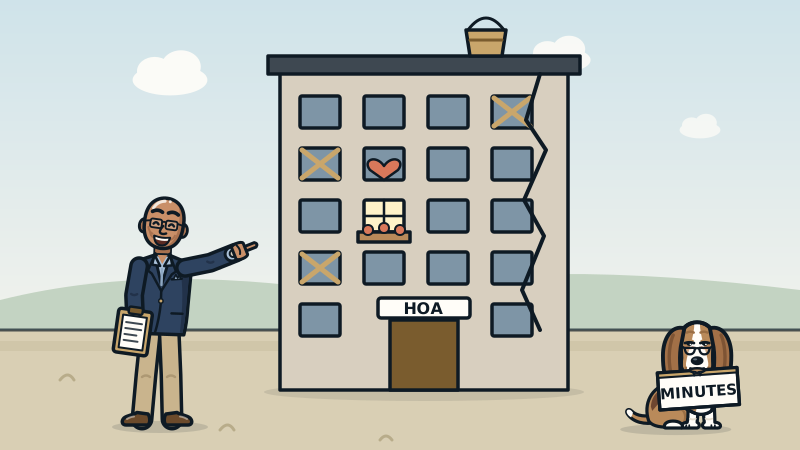
Because a condo loan gets two separate reviews. The appraiser values the unit. The lender reviews the whole project against Fannie Mae or Freddie Mac rules: reserves, delinquent dues, litigation, critical repairs, special assessments, ownership limits and insurance. A unit can appraise at full price in a project the lender cannot approve.
The appraiser values the unit. The lender judges the building.
Picture a beautiful condo. New kitchen, great light, appraises right at the contract price. Then underwriting calls and says the loan is dead. Nobody touched the unit. The problem was the building it lives in.
Fannie Mae's Selling Guide puts project review on the lender. The lender must determine that the project meets Fannie Mae's eligibility rules before the loan is delivered, and the guide treats that review as separate from the unit appraisal. The appraiser is one source of project information, but the lender owns the decision.
So a clean appraisal answers one question: what is this unit worth? It does not answer the second one: will Fannie Mae or Freddie Mac buy a loan in this project? Those are different desks, and sometimes different weeks.
Some projects skip most of this. Fannie Mae waives most of the project review for detached condo units and for 2–4 unit projects, with a few basic requirements still in place. Freddie Mac, FHA and VA run their own condo rules, so check the program you are actually using.
What can sink a project
Here are the items in Fannie Mae's current guide that most often turn a good unit into a bad loan:
- Thin reserves. In a full review, the budget must put at least 10% toward replacement reserves, or the lender can rely on a reserve study done within three years.
- Late dues. No more than 15% of units can be 60 or more days behind on HOA dues, and the same limit applies to each special assessment.
- Critical repairs. Repairs that seriously affect safety, soundness, structure or habitability make a project ineligible. Unfunded repairs over $10,000 per unit that should happen within 12 months count too.
- Special assessments tied to those repairs. If the assessment is for a critical repair that has not been fixed, the project is ineligible.
- Litigation. An HOA named in pending litigation is generally ineligible, with exceptions for minor cases the lender documents.
- One owner with too many units. In a project with 21 or more units, one entity can own no more than 20%.
- Too much commercial space. More than 35% commercial or mixed-use space is out.
- Hotel-style operation. Projects run like a hotel, or with mandatory rental pooling, are ineligible.
The lender also has to review any structural or mechanical inspection done within the last three years, and verify the project's insurance. A project can have a rooftop pool and still fail because of a lawsuit about the parking garage.
Warrantable and non-warrantable, in plain words
People in lending call a project that meets Fannie Mae or Freddie Mac rules "warrantable." One that does not is "non-warrantable." Those are industry nicknames, not official labels, but everyone uses them.
A non-warrantable project is not unsellable. It means the typical conventional loan is off the table, and the buyer needs a different loan, often from a lender keeping it on its own books or a non-QM program, usually with different terms. Some buyers can do that. Some cannot.
That is where value comes in. If fewer buyers can finance a unit, that can show up in what units in that project sell for. Can, not must. In my view, the only way to know is to look at sales. I do not knock 10% off a unit because a building has a lawsuit. I look at what units in that building sold for while the lawsuit was public, compared with similar units nearby. Facts over feelings, even when the HOA newsletter is full of feelings.
How dues and special assessments show up in value
HOA dues and special assessments are part of what a buyer is really paying. A buyer with a monthly budget does not care whether the money goes to the lender or to the HOA. It is all leaving the checking account.
Here is how I measure it instead of guessing:
- Inside the project. For units in new or recently converted projects, Fannie Mae requires at least one closed sale from inside the project and at least one from outside. Sales inside the same building share the same dues, the same reserves and the same roof. They are the best pairs I can get.
- Before and after. Units that sold before a special assessment was announced and units that sold after it, with other differences adjusted. That gap is the market's answer.
- Across projects. Similar units in nearby projects with different dues. If two buildings are alike except one charges much more per month, the sales show whether buyers paid less for it.
Hypothetically, say a unit carries a $30,000 special assessment the seller is not paying off. The adjustment is not automatically $30,000. It is whatever the paired sales show buyers took off. Sometimes that is close to the full amount. Sometimes buyers shrug because the repair fixes the leaky roof they were worried about.
What loan officers should collect in week one
A lot of condo trouble is not a surprise. The information is usually sitting in the HOA's files the whole time. Get it early:
- The condo questionnaire. Fannie Mae Form 1076 (Freddie Mac Form 476) is optional, but Fannie Mae recommends it. Its addendum asks about inspections, code violations, deferred maintenance, reserves, special assessments and HOA loans.
- The current budget so the 10% reserve test can be run, or a reserve study from the last three years.
- Board minutes from the past year. Minutes are where assessments and repairs show up before they show up anywhere else.
- Any special assessment details: what it is for, whether it is approved or planned, the original and remaining amounts, and when it should be paid off. Fannie Mae requires lenders to review all four.
- Inspection reports from the last three years and the HOA's insurance information.
- A plain question about lawsuits. Ask early. Ask in writing.
Then send what you learn to the appraiser through the proper channel. An appraiser who knows about the assessment can measure it. One who finds out at underwriting has to revise, and revisions cost days. If the rules are new to you, my loan officer checklist for low appraisals pairs well with this one.
What I see in the field
The pattern I see most often goes like this. Everyone focuses on the unit because the unit is what the buyer toured. Nobody reads the minutes until a reviewer does.
The best agents I work with pull the HOA documents before they write the offer. The best loan officers order the questionnaire the same day they order the appraisal. When both happen, the appraisal teaches the market for that building: what the dues cost buyers, what the assessment did to recent sales, and whether the project's issues show up in price at all.
A condo is one home inside a shared business. Value the home, but read the business's books.
Key takeaways
- A condo loan gets two reviews: the appraiser values the unit, the lender reviews the project.
- Reserves, late dues, critical repairs, special assessments and litigation can make a project ineligible.
- Non-warrantable means the typical conventional loan is off the table, not that the unit is worthless.
- Dues and assessments affect value only as much as the paired sales show.
- Get the questionnaire, budget, minutes and assessment details in the first week.
Get the best posts once a week.
Priced Right is one email a week with the most useful appraisal and pricing posts and what the market is doing. Never more than one a week. Unsubscribe anytime.
People also ask
Does the appraiser decide if a condo project is approved?
No. Under Fannie Mae's rules the lender decides project eligibility. The appraiser values the unit and reports what they find, which the lender may use.
Can a buyer still get a loan in a non-warrantable condo?
Often yes, through a lender that keeps the loan in its own portfolio or a non-QM program. Terms are usually different, so shop early.
Does a special assessment always lower a condo's value?
Not dollar for dollar. It depends on who pays it, what it fixes and how buyers in that project reacted, which shows up in sales.
Sources
- Fannie Mae Selling Guide B4-2.1-01: General Information on Project Standards
- Fannie Mae Selling Guide B4-2.1-03: Ineligible Projects
- Fannie Mae Selling Guide B4-2.2-02: Full Review Process
- Fannie Mae Selling Guide B4-1.3-08: Comparable Sales
- Fannie Mae Form 1076 / Freddie Mac Form 476: Condominium Project Questionnaire
Got a question we haven't answered?
Suggest a topic or ask your own appraisal question. The best ones become posts.