Why should both sides in a divorce want one neutral appraisal?
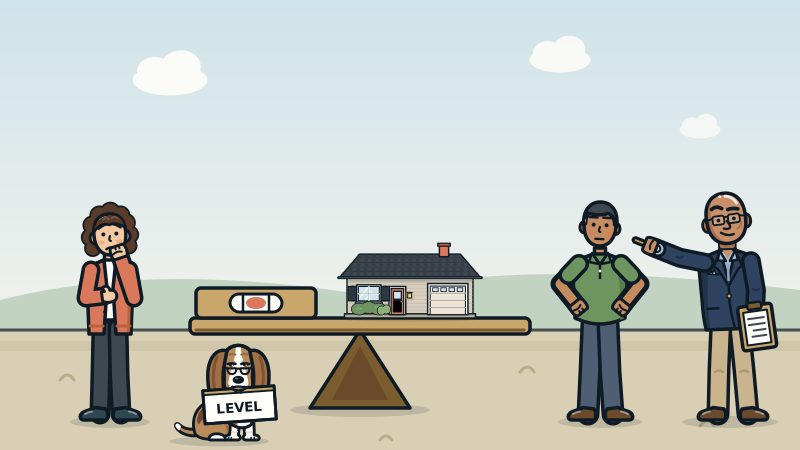
Because two appraisals hired by two opposing sides usually produce two numbers, two fees and one more fight. A single neutral appraiser, hired jointly or through both attorneys, takes direction from neither spouse and builds the value from named comparable sales. Both sides can check the work, which is what makes a number hold up.
Two appraisals usually buy you a bigger argument
Here is how the dueling version tends to go. Each spouse hires an appraiser. Each report comes back. The spouse keeping the house got the lower number, and the spouse moving out got the higher one. Everyone acts surprised.
Say, as a hypothetical, one report says $1,200,000 and the other says $1,350,000. That $150,000 gap is not abstract. In a buyout of half the equity, it moves the check by $75,000. Now the attorneys argue about the reports, the reports argue with each other, and someone suggests a third appraisal to break the tie.
Two appraisers hired by two people who are angry at each other is not a second opinion. It is a sequel. You paid twice, and you still do not have a number both sides trust.
None of this means one appraiser was dishonest. Appraisers can pick different sales, read the trend differently or rate condition differently. But when the two sides start from two different sets of facts, the gap almost never closes on its own.
What neutral actually means
Neutral is not a personality type. It is a set of rules about who the appraiser listens to and how they get paid.
- Impartial by standard. USPAP, the national appraisal standards, requires appraisers to perform assignments with impartiality, objectivity and independence. An appraiser who is advocating for one spouse is not doing appraisal work.
- The fee does not depend on the answer. My fee is the same whatever the value turns out to be. Any arrangement where the pay goes up if the number goes a certain way is a red flag, whoever proposes it.
- Facts from both, direction from neither. Either spouse can hand over permits, repair invoices and a list of upgrades. Neither one gets to hand over a target.
- Same information on both sides. Anything one side sends in writing, the other side should see.
One more thing I hold to. A spouse's description of the house is that spouse's perspective. It is not evidence. I rate the house from what I observe and what the record shows, as of the valuation date. Sometimes the record backs up one spouse. When it does, the report says so, and when it doesn't, the report shows what the record does say.
What makes one number hold up
A neutral appraiser is only useful if the report survives the people reading it. In a divorce, that is two spouses, two attorneys, maybe a mediator and maybe a judge. Nobody in that group is inclined to take anyone's word for anything.
So the report has to show its work:
- Named sales. Every comparable sale by address, with why it was picked and how it differs from the house.
- Measured adjustments. Each adjustment comes from what buyers in that market actually paid for the difference, shown with the sales it came from. A rule of thumb from a seminar in 2009 does not count.
- The right date. California's default, under Family Code 2552, is to value the community estate as near as practicable to the time of trial. On 30 days' notice and for good cause, the court can pick a date after separation and before trial. If the date is in the past, the appraisal is retrospective: built from the sales and the market that existed back then.
- Condition as of that date. If one spouse remodeled after separation, or stopped fixing things, the report has to describe the house on the valuation date, not today.
When both sides can follow the same evidence, the argument shrinks to the parts that are actually arguable. That is a much shorter list, and a much cheaper one.
When one side will not agree to a joint appraiser
Sometimes one spouse refuses on principle, because the other spouse suggested it. That happens. There are still paths that end with one neutral expert instead of two hired guns.
California Evidence Code 730 lets the court, before or during trial, appoint one or more experts when expert evidence is or may be needed, on its own motion or when either party asks. The court sets reasonable pay for that expert. In a civil case, Evidence Code 731 says that pay is first apportioned and charged to the parties in the shares the court decides.
Section 730 also says nothing in it lets a person do work that requires a license unless they hold that license. A court appointment does not replace a California appraiser license, so check it either way.
Whether to agree to a joint appraiser, ask the court for one or hire your own is a legal strategy call. That is your family law attorney's department, not mine. My department is making sure that whoever hires me gets the same number the other side would have gotten.
How to set up one neutral appraisal
- Put the engagement in writing with both spouses or both attorneys named, so nobody can later claim the appraiser worked for the other side.
- State the valuation date the report must answer: near trial, or a specific alternate date. If the date is uncertain, ask whether two values are needed.
- Send one shared fact packet. Permits, receipts, dates of work and any known problems, copied to both sides.
- Agree on access. Who lets the appraiser in, and whether the other spouse may attend.
- Put questions in writing, copied to everyone. No side conversations, not even friendly ones.
- Ask for the full report, not a one-page letter. You want the sales, the adjustments and the reasoning.
- Plan for an update if the case may run long, since the default date is near trial.
For more on the date question, see how the house is valued in a California divorce. For the full menu of who can pick, see who picks the appraiser in a divorce.
What I see in the field
The house does not know it is being divorced. It has the same roof, the same kitchen and the same neighbors it had before anyone hired a lawyer. Buyers in that market will pay for it what they pay for similar homes, adjusted for real differences. That is the only number that matters, and it does not change based on who is paying.
What changes when there is one neutral report is the tone. The fight moves away from whose appraiser is right and toward questions that can actually be settled, like who keeps the house and how the buyout gets paid. Families who go that route usually spend less on experts and more of their energy on what comes next.
Most of my practice is private work like this: divorce, estates, trusts and litigation. I write narrative reports because people on opposite sides of a table need to see the same evidence, laid out so each step can be checked. Facts over feelings. In a divorce, there are plenty of feelings already in the room.
Key takeaways
- Two opposing appraisals usually mean two fees and a wider argument, not a settlement.
- Neutral means impartial by standard, a fee that does not depend on the result, and direction from neither spouse.
- A number holds up when it shows named sales, measured adjustments and the correct valuation date.
- In California the default date is near trial; the court can choose an earlier date for good cause.
- If one side refuses, the court can appoint its own expert under Evidence Code 730.
Get the best posts once a week.
Priced Right is one email a week with the most useful appraisal and pricing posts and what the market is doing. Never more than one a week. Unsubscribe anytime.
People also ask
Can a neutral appraiser talk to both spouses?
Yes. Both can supply facts about the house. Good practice is to put questions and documents in writing and copy the other side, so nobody wonders what was said.
What if the neutral appraisal comes in at a number one of us hates?
That is common, and it is not a sign the appraiser picked a side. Check the report for factual errors and missed sales, and raise them in writing through the attorneys. Disagreeing with a number is fine. Showing better evidence is what changes it.
Do we need a new appraisal if the case drags on?
Possibly. California's default is to value the house as near as practicable to trial, so an early report can go stale in a moving market. Ask your attorney when to order an update.
Sources
- California Family Code section 2552: Valuation date
- California Evidence Code section 730: Court appointed experts
- California Evidence Code section 731: Payment of court appointed experts
- The Appraisal Foundation (L. Desmarais): Identifying, Avoiding and Correcting for Bias in Appraisals Under USPAP
- California Courts Self-Help Guide: Property and debts in a divorce
Got a question we haven't answered?
Suggest a topic or ask your own appraisal question. The best ones become posts.