Why do Palm Springs homes on leased land sell for less?
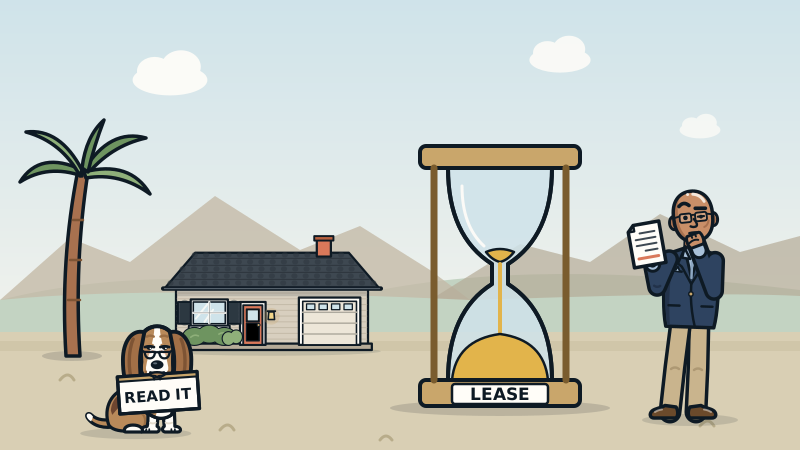
In Palm Springs, California, many homes sit on land leased from the Agua Caliente Band of Cahuilla Indians or its members, with leases approved by the Bureau of Indian Affairs. Buyers get the right to use the land, not the land. Lease years left, ground rent and loan rules drive the price, so these homes often sell for less.
You buy the house and rent the ground under it
Palm Springs has the mountains, the midcentury roofs and the pool float you will never deflate. It also has a land setup most buyers have never seen before.
Much of the area sits inside the Agua Caliente Indian Reservation. The Bureau of Indian Affairs (BIA) says the reservation includes parts of Palm Springs, Cathedral City, Rancho Mirage and unincorporated Riverside County. Much of that land is trust land, which the BIA describes as land held in trust by the United States for the use of an individual Indian landowner or the Tribe.
When a home sits on trust land, the buyer does not buy the dirt. The buyer buys a lease: the right to use and occupy the land for a set number of years, in exchange for rent. Appraisers call that a leasehold. The opposite is fee simple, which is the normal way most Californians own a lot.
This is not a small niche. The BIA's Palm Springs Agency says it oversees 7,671 residential subleases. A sublease is common in condo and planned communities, where a developer leased the land and then passed rights down to each home.
How long the lease runs is the whole ballgame
Federal law caps most Indian land leases at 25 years, but it lists the Agua Caliente (Palm Springs) Reservation among the places where leases can run up to 99 years. The BIA says a lease can be any length the parties agree to, up to that 99-year limit.
Here is why that matters for price. A lease is a clock. When the clock runs out, the right to use the land ends unless it gets extended. What happens to the house at that point depends on what the lease says, so read that part twice.
Buyers sense the clock even if they never do the math. A home with 80 years left feels close to ownership. A home with 20 years left feels like a very long rental with a very large deposit. Same pool, same view, different product.
Extensions are not automatic. The BIA says it does not force landowners to sign new leases or extend old ones. The landowner decides. If you lease directly from an Indian landowner, you ask that landowner or their representative. In a sublease, you usually start with your lessor, which may be the association or a master lessee.
Why the price comes in lower than a fee land twin
Put two identical homes next to each other, one on fee land and one on leased land. The leased one often sells for less. Not because it is a worse house, but because the buyer gets fewer rights. Here is what usually pushes the price down:
- Years left on the lease. Fewer years means fewer buyers and lower prices. This is usually the biggest factor.
- Ground rent. The rent paid for the land is a monthly cost on top of the mortgage, taxes and HOA dues. A buyer who pays more each month pays less up front.
- How the rent changes. Fixed, stepped up on a schedule or reset to market can all be in a lease. Uncertainty costs money.
- Financing. If buyers cannot get a normal loan, the buyer pool shrinks to cash buyers and lenders who make other loan types. Smaller pools pay less.
- Paperwork. Lease approvals and assignments add steps to escrow. Most buyers would rather not add steps to escrow.
How big the gap is depends on the lease. There is no fixed Palm Springs discount, and anybody who quotes one without sales to back it up is guessing. Guesses look great on a flyer. They look worse in an appraisal review.
What lenders and appraisers have to follow
For a Fannie Mae loan, the Selling Guide says the lease must have an unexpired term that runs at least five years past the loan's maturity date. On a 30-year mortgage, that means at least 35 years left on the lease at closing. Fannie Mae also notes that leasehold mortgages on tribal lands come with BIA approval requirements. FHA, VA, jumbo and portfolio lenders each have their own rules, so ask the lender before you write an offer.
On the appraisal side, Fannie Mae requires a written narrative that names the lease terms, restrictions and conditions, and explains what effect, if any, they have on value and marketability.
For comparable sales (comps), the rule is clear. If there are enough closed sales with similar leasehold terms, the appraiser must use them. If there are not, the appraiser may use leased land sales with different terms, or fee simple sales, and then adjust for the market's reaction to the difference in rights. That adjustment has to be measured, not pulled from a hat. A leased land home compared only to fee land sales with no adjustment is a report that has not done its homework.
What I see in the field
The most common mistake I see is treating a leased land home like a fee land home that happens to have an extra bill. It is a different property right, and the market prices it that way.
Here is how I approach one. I read the lease or the sublease first: expiration date, rent, how the rent changes and what happens at the end. Then I look for sales with similar years left in the same kind of setup, because that is what a buyer is actually comparing. When those are thin, I widen the search in time before I widen it in distance, and I show the reader which sales I used and why.
Then I measure the gap between leased land and fee land sales with real sales, ideally paired sales: two similar homes that differ mainly in one thing, so the price difference shows what that one thing is worth. A hypothetical: two similar condos in the same complex, one with a long lease and one with a short one. If they sold close in time, the price gap points to what buyers paid for the extra years. Facts over feelings, even in a town built on vibes.
What to do before you buy or list on leased land
- Ask for the lease or sublease early. Get the expiration date, the current rent, how it changes and any extension terms in writing.
- Check the title report to confirm whether the parcel is fee land or leased land. Do not rely on the listing alone.
- Call the lender before the offer. Ask whether it lends on this lease and how many years must remain after the loan ends.
- Add up the monthly cost. Mortgage, ground rent, HOA dues and property taxes, together.
- Ask about extensions and who decides them. The BIA's Palm Springs Agency and its Land Titles and Records Office are the official contacts for trust land records.
- Price with leased land comps, not the fee land sale down the street. If there are not enough, get a pre-listing or private appraisal that measures the difference.
For questions about lease rights or taxes, talk to a California real estate attorney or your CPA. For how I work across the county, see my Riverside County appraiser page.
Key takeaways
- Many Palm Springs area homes sit on leased trust land, so buyers get a lease, not the land.
- Years left on the lease is usually the biggest driver of price.
- Fannie Mae wants the lease to run at least five years past the loan's maturity date.
- Appraisers must use leased land comps when enough exist, and measure any adjustment from fee land sales.
- Read the lease and call the lender before you write an offer.
Getting this answered in California
The Agua Caliente Indian Reservation covers parts of Palm Springs, Cathedral City, Rancho Mirage and unincorporated Riverside County, and many of its buyers come from Los Angeles and Orange counties. I am a California Certified Residential Appraiser (License AR041465) and appraise homes statewide, including Riverside County, Los Angeles County, Orange County. See every area I serve.
Get the best posts once a week.
Priced Right is one email a week with the most useful appraisal and pricing posts and what the market is doing. Never more than one a week. Unsubscribe anytime.
People also ask
Can I get a mortgage on a Palm Springs home on leased land?
Often yes, but it depends on the lease and the lender. For a Fannie Mae loan, the lease must run at least five years past the loan's maturity date, and tribal land leasehold mortgages have BIA approval requirements. Ask the lender before you make an offer.
What happens when a Palm Springs land lease expires?
The right to use the land ends unless the lease is extended, and what happens to the home depends on the lease terms. The BIA says it cannot force a landowner to extend a lease. Read the lease and talk to a real estate attorney well before the end date.
Are all homes in Palm Springs on leased land?
No. The Agua Caliente Indian Reservation covers parts of Palm Springs, Cathedral City, Rancho Mirage and unincorporated Riverside County, and fee land and trust land are mixed together in the area. The title report tells you which one a specific home sits on.
How does an appraiser value a home on leased land in California?
The appraiser describes the lease terms and their effect on value, then uses sales with similar leasehold terms when enough exist. If not, the appraiser can use other leased land or fee land sales and adjust for how the market reacts to the difference in rights.
Sources
Got a question we haven't answered?
Suggest a topic or ask your own appraisal question. The best ones become posts.