How do California's SB 326 balcony inspections affect condo value?
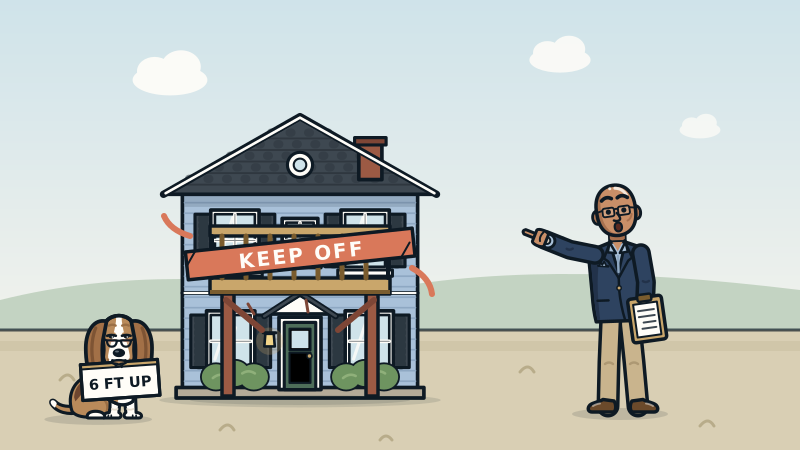
California's SB 326 (Civil Code section 5551) required condo associations to inspect wood balconies, decks and stairs more than six feet up by January 1, 2025, then every nine years. SB 721 covers apartments, with a January 1, 2026 deadline. Unfixed critical repairs and special assessments, not the inspection itself, can stall loans and move prices.
Two laws, one for condos and one for apartments
California has two balcony laws, and people mix them up constantly. They followed a 2015 balcony collapse at a Berkeley apartment building, which is why the details are strict.
| SB 326 (condos) | SB 721 (apartments) | |
|---|---|---|
| Law | Civil Code section 5551 | Health and Safety Code section 17973 |
| Covers | Condo associations, buildings with 3 or more attached units | Buildings with 3 or more units, not common interest developments |
| First deadline | January 1, 2025 | January 1, 2026 |
| Repeats | At least every 9 years | Every 6 years |
| Who inspects | Licensed structural engineer, civil engineer or architect | Architect, civil or structural engineer, certain experienced contractors, or a certified building inspector |
| Sample | Enough for 95% confidence, within 5% either way | At least 15% of each type of element |
Both laws cover the same kind of structure, which inspectors shorten to "EEE": a balcony, deck, stairway, walkway or similar structure with a walking surface more than six feet above the ground that relies wholly or largely on wood for support. SB 326 also covers the waterproofing that protects it. A concrete balcony on steel is outside these laws. A wood deck four feet up is too.
Investors, note the apartment side. SB 721 starts at three units, so a triplex or fourplex with a wood stair to a second floor unit can be covered. The original SB 721 deadline was moved to January 1, 2026 by AB 2579 in 2024.
What happens when the inspector finds a problem
For a condo association under SB 326, the inspector writes a report that rates the condition of each inspected element, estimates its remaining useful life and recommends repairs. That report goes into the association's reserve study, the long-range plan for big repairs. Newer buildings get their own clock: if the building permit application went in on or after January 1, 2020, the first inspection is due within six years after the certificate of occupancy.
If an element is an immediate threat to safety, the inspector sends the report to the association right away and to the local code enforcement agency within 15 days. The association has to act immediately, including keeping people off it until the city approves repairs. Few things say "pending special assessment" like yellow tape across your neighbor's balcony.
On the apartment side under SB 721, the owner gets a written report within 45 days. For repairs that are not emergencies, the owner applies for a permit within 120 days and then has 120 days after approval to finish, unless the city extends it. Miss those dates and the owner can face a civil penalty of $100 to $500 per day, and the city can record a lien.
Who pays for the inspection and the repairs
Under SB 326, the association is responsible for the inspection and for the elements it maintains. In practice that money comes from the owners, through regular dues, reserves or a special assessment voted under the association's rules.
Under SB 721, the building owner is responsible. If you own a fourplex, that is you.
How a big repair gets funded matters to value. A project with healthy reserves can often pay for balcony work without a new bill. A project that put off maintenance may need a special assessment, and buyers read those numbers the way they read a car's check engine light: maybe it's nothing, but they want a lower price until they know.
If you are buying, ask for the most recent balcony inspection report, the reserve study and the last year of board minutes. If your association has not done its inspection, ask why. Read your governing documents or ask the HOA's attorney if you are unsure who is responsible for a particular deck. That is a legal question, not an appraisal one.
Why the inspection report can hold up a condo loan
On a conventional loan, the lender reviews the condo project separately from the appraisal of the unit. Fannie Mae's Selling Guide calls out balconies, stairwells and waterproofing by name in its list of items to consider for critical repairs. A project that needs critical repairs is ineligible until the repairs are done and documented.
A few Fannie Mae rules matter most here:
- Failed inspections count. Failing a required state or local structural safety inspection is listed as a critical repair.
- Recent reports get read. If a structural or mechanical inspection was done within three years of the lender's project review, the lender must get it and review it.
- Big unfunded repairs count. Unfunded repairs over $10,000 per unit that should be done within 12 months are critical. Repairs funded through a special assessment are left out of that dollar test.
- Special assessments for unfixed critical repairs make a project ineligible until the work is done.
- Routine repairs are not critical. Normal upkeep paid from the budget is not the problem.
Loan officers, get the inspection report in week one. I cover the rest of the condo checklist in why a condo appraisal can be fine and the loan still die. FHA, VA and portfolio lenders have their own condo rules, so check the program.
How an appraiser measures the effect on value
The inspection itself does not lower value. Every covered building in the state needed one. What can move value is what the inspection found and who pays for it.
I do not knock a set percentage off a unit because the building has a balcony report. I measure it:
- Inside the project. Units in the same building that sold before a repair or assessment was announced, and units that sold after, with other differences adjusted.
- Across projects. Similar units in nearby buildings with no open repair issues. If two buildings are alike except one has a pending assessment, the sales show whether buyers paid less.
- After the fix. Sales once repairs are done. Buyers can pay more for a building that just got new waterproofing than for one that never looked.
A special assessment is not worth dollar for dollar. Hypothetically, a $25,000 per unit assessment might show up in prices as close to the full amount, or much less, depending on what buyers in that project actually did. The sales answer that, not the HOA newsletter.
What I see in the field
The biggest surprises come late. A buyer tours a unit, loves the light, writes an offer, and nobody opens the reserve study until underwriting does. Then the balcony report shows up in week three.
The fix is boring and it works. Get the inspection report, the reserve study and the minutes before you price or write the offer. Share them with the appraiser through the proper channel, so the report can teach the market for that building instead of guessing at it. If you want to know how buyers in a specific project reacted to a repair, a Market Intelligence report can measure it with the actual sales.
Facts over feelings, including the feeling that a balcony with a view could never be the problem.
Key takeaways
- SB 326 (Civil Code 5551) covers condo associations. The first inspection was due January 1, 2025, then every nine years.
- SB 721 (Health and Safety Code 17973) covers buildings with three or more units, with a January 1, 2026 deadline and repeats every six years.
- Unfixed critical repairs, including failed safety inspections, can make a condo project ineligible for Fannie Mae loans.
- The inspection does not lower value by itself. Findings and assessments are measured with sales.
- Ask for the inspection report, reserve study and board minutes before writing an offer.
Getting this answered in California
Both laws apply statewide, and cities such as Oakland, Long Beach, San Mateo and Gilroy publish their own compliance pages for balcony and deck inspections. I am a California Certified Residential Appraiser (License AR041465) and appraise homes statewide, including Alameda County, Los Angeles County, San Mateo County, Santa Clara County. See every area I serve.
Get the best posts once a week.
Priced Right is one email a week with the most useful appraisal and pricing posts and what the market is doing. Never more than one a week. Unsubscribe anytime.
People also ask
What is the SB 326 balcony inspection deadline in California?
SB 326 required condo associations to complete the first inspection of covered wood balconies, decks and stairs by January 1, 2025, then at least every nine years. Buildings with permit applications filed on or after January 1, 2020 must be inspected within six years after the certificate of occupancy.
Does SB 721 apply to a fourplex or triplex in California?
SB 721 applies to buildings with three or more multifamily units that have covered wood elements more than six feet above the ground. It does not apply to condo projects, which fall under SB 326, and single-family homes and duplexes are outside it.
Can a balcony inspection stop a condo loan in California?
It can. Under Fannie Mae rules, a project that failed a required structural safety inspection or has unfixed critical repairs is ineligible until the repairs are done and documented, and lenders must review inspection reports from the last three years.
Does a special assessment for balcony repairs lower condo value?
It can, but not automatically by the full amount. An appraiser measures it by comparing sales in the project before and after the assessment and sales in similar buildings without one.
Sources
- California Civil Code section 5551 (California Public Law)
- California Health and Safety Code section 17973 (FindLaw)
- City of Oakland: Mandatory Inspections of Balconies, Decks and Other Exterior Elevated Elements
- City of Gilroy: Exterior Elevated Elements Inspections (AB 2579 extension)
- Fannie Mae Selling Guide B4-2.1-03: Ineligible Projects
Got a question we haven't answered?
Suggest a topic or ask your own appraisal question. The best ones become posts.